Tips for Homemade Yogurt
The Ultimate Yogurt Maker: Your Complete Guide
Making homemade yogurt can be a uncomplicated process with the proper guidance. Understanding how to use a yogurt maker properly is crucial. From picking quality ingredients to troubleshooting common issues, each step plays a crucial role in the result. As one explores the intricacies of yogurt making, it becomes clear that small adjustments can lead to vastly different results. The journey toward perfect yogurt is just commencing.
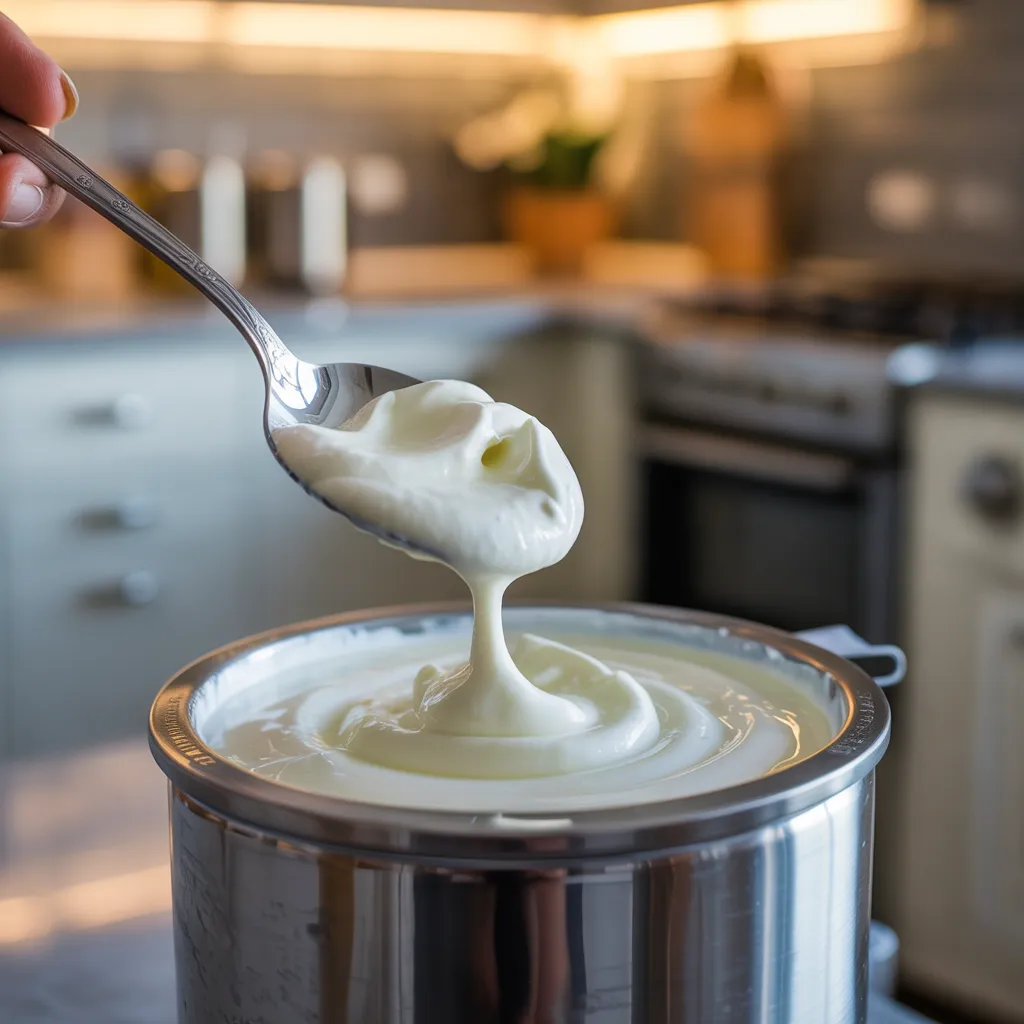
Using a yogurt maker can be a straightforward process that results in delicious homemade yogurt. To start, the user needs to verify that the device is clean and assembled correctly. Next, they should heat the milk, which might require heating it to a particular temperature to eliminate any unwanted bacteria. After cooling the milk to an suitable temperature, the user can mix in the yogurt starter culture, making sure it is evenly distributed.
When blended, the mixture is placed into the yogurt maker's containers and positioned inside the machine. The user then configures the desired fermentation time, typically ranging from four to twelve hours, according to personal taste preferences. During this period, the yogurt maker maintains a consistent temperature that promotes fermentation. After the time has elapsed, the user removes the containers, chills the yogurt to end the fermentation process, and relishes in the fresh, creamy result of their efforts.
Picking Ingredients for Your Yogurt Maker
While choosing ingredients for a yogurt maker, it is crucial to contemplate both the type of milk and the yogurt starter culture, as these choices significantly impact the final product. Milk options range from whole to skim, with each offering different creaminess and flavor profiles. Whole milk creates a rich, creamy yogurt, while skim milk creates a lighter version. In addition, non-dairy alternatives like almond or coconut milk can also be employed, though they may require specific starter cultures developed for non-dairy fermentation.
The culture used to start yogurt is just as important. Options include store-bought yogurt containing live active cultures or powdered starter cultures available in health food stores. Picking a top-quality starter culture secures ideal fermentation and flavor progression. Ultimately, understanding these fundamental ingredients allows yogurt makers to tailor their creations to their preferences, yielding a flavorful and gratifying homemade yogurt result.
Adding Flavor to Your Yogurt
What's the secret to transforming homemade yogurt from simple to spectacular? Yogurt flavoring provides boundless options for innovation and satisfaction. A proven approach includes blending in fresh fruits, like berries, bananas, or peaches, which both improve taste and contribute natural sugars along with brilliant hues. As another option, you can blend in fruit purees or jams to achieve a creamier texture.
Vanilla, cinnamon, or nutmeg and similar spices and extracts have the ability to convert yogurt into a wonderful delicacy. A splash of citrus juice or zest can refresh the taste buds for individuals desiring a tangy variation. Sweeteners, including honey, maple syrup, or agave nectar, provide additional layers of flavor while balancing tartness.
For bold food lovers, think about including granola, nuts, or seeds for texture and crunch. At the end of the day, the selection of flavors allows individuals to personalize their yogurt, making each serving a unique culinary experience suited to their personal tastes.
What Common Issues Should You Avoid When Making Yogurt?
Preparing homemade yogurt can be a fulfilling process, but certain pitfalls can impede the procedure. One common issue is using the unsuitable form of milk; non-fat or ultra-pasteurized milk can result in poor texture and taste. In addition, improper temperatures during the fermentation process can hinder proper yogurt thickening, with temperatures that are too low resulting in liquid yogurt.
An additional mistake is not permitting sufficient time for the fermentation stage; hastening this process can generate less desirable results. Contamination due to dirty equipment can also destroy a batch, as harmful bacteria can compromise the fermentation process. Lastly, neglecting to maintain a consistent environment can hinder the process of making yogurt.
Solving Typical Problems in DIY Yogurt
While homemade yogurt can sometimes present challenges, numerous common problems have easy solutions that can return its quality. One typical issue is thin description consistency, which can happen due to not enough fermentation time or low-quality starter culture. To address this, one can extend the fermentation time or switch to a more consistent starter.
A common problem is separation, where whey collects on the surface. This can be remedied by softly stirring the yogurt before serving, or by ensuring proper temperature control during the fermentation process.
If yogurt fails to set, it might result from inadequate bacteria or wrong temperature settings. Increasing the incubation time or changing the yogurt maker settings can help achieve the desired texture.
Finally, unwanted tastes can develop from impure equipment or ingredients. Carefully cleaning all tools and using fresh milk can eliminate this problem, guaranteeing a tasty final product.
Frequently Asked Questions
May I Use Non-Dairy Milk in My Yogurt Maker?
Absolutely, non-dairy milk can be used in yogurt makers. However, the fermentation process can vary due to varying sugar and protein content. Using appropriate cultures specifically made for non-dairy alternatives is crucial for excellent results.
How Long Can Homemade Yogurt Stay Fresh in the Refrigerator?
Homemade yogurt usually stays good for around one to three weeks in the fridge when maintained appropriately in an airtight container. Its flavor and freshness may steadily reduce, so consuming it within seven days is often recommended for best taste.
Is It Safe to Use Yogurt Starter Cultures Again?
Yes, it is generally safe to reuse yogurt starter cultures. However, their effectiveness may diminish over time, and monitoring for off-flavors or spoilage signs in later batches is essential.
Can I Make Yogurt Without a Yogurt Maker?
Making yogurt without a yogurt maker is entirely possible. Common alternatives include an oven with its light turned on, a crockpot, or insulated vessels to maintain the essential warm temperature for the fermentation process.
What Amount of Yogurt Can I Make in a Single Batch?
The quantity of yogurt that can be produced in a single batch typically ranges from 1 quart to 2 gallons, depending on the given yogurt maker's capacity. This offers flexibility based on your specific consumption needs or preferences.